Interview Transcription Services vs DIY Tools: Which Saves More Time
Interview transcription services sell accuracy and turnaround, while DIY tools sell cost and control, and the real comparison is your money against your hours. The three routes are human services, automatic software, and typing it yourself, and each one wins somewhere. Here's the math for all three, including the cleanup time that most comparisons leave out.
What a Professional Service Actually Sells
When you hire a human transcription service, the product is a document you never have to fix. Rev guarantees 99 percent accuracy with delivery in 12 hours or less, which means the text is ready for analysis the moment it lands. You skip the proofreading pass entirely, because a person who understands context has already filled in the mumbled words and the crosstalk.
Turnaround is part of the offer: standard delivery lands the next day, and rush tiers buy it back sooner when a deadline demands it. Many vendors handle poor field recordings without surcharges, which matters for research interviews captured in cafeteras and conference halls rather than studios. GoTranscript goes further and guarantees 99-plus percent on difficult audio without extra charges, and some services without AI deliver in about 3 hours.
What you're really buying is zero cleanup time, because the hidden cost of cheap transcription is the hours spent fixing it. For a researcher billing their time or a journalist on deadline, that line item decides the comparison before the accuracy column does.
The DIY Options, From Automatic to Manual
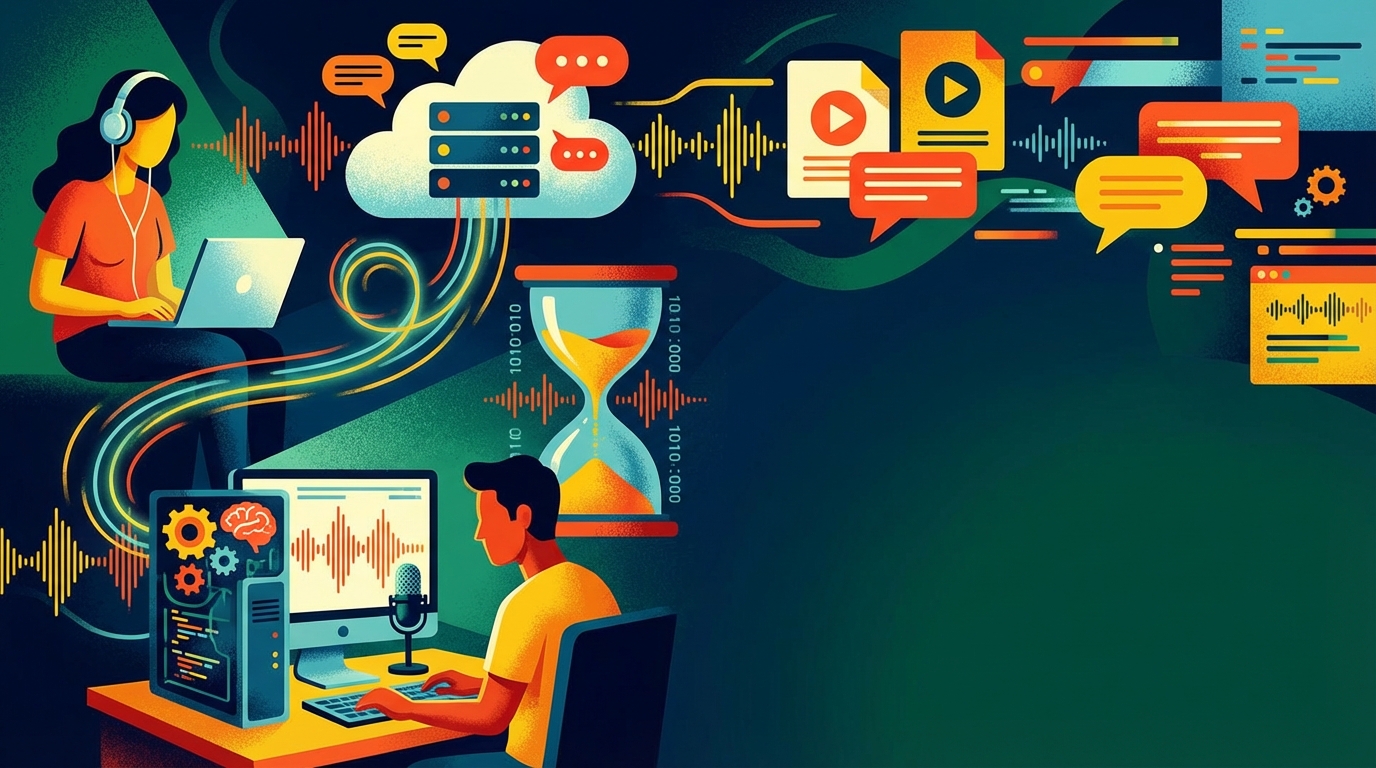
Automatic transcription returns an hour of audio in minutes, then asks for roughly 15 to 20 minutes of review before the text can be trusted. That review pass is where the quality risk lands: the tool fails on technical vocabulary and overlapping speakers, exactly the content that makes research interviews valuable. On clear audio between two careful speakers, the draft is close. On a noisy panel, it isn't.
Local tools run the same automatic path with the audio staying on your machine, which removes the upload and the meter, and on modern hardware an hour of audio processes in minutes. How the DIY route compares against the human services is also a question of what you do with the transcript, which the interview transcription overview covers in depth. The privacy case is covered in the next section, because for some interviews it isn't a preference, it's the requirement.
Manual typing is the option that lost, and the numbers explain why: it takes four to six hours to transcribe one hour of audio, even for experienced transcriptionists. An afternoon per interview is a cost nobody budgets for, and it repeats with every file in the project.
The Real Cost Math
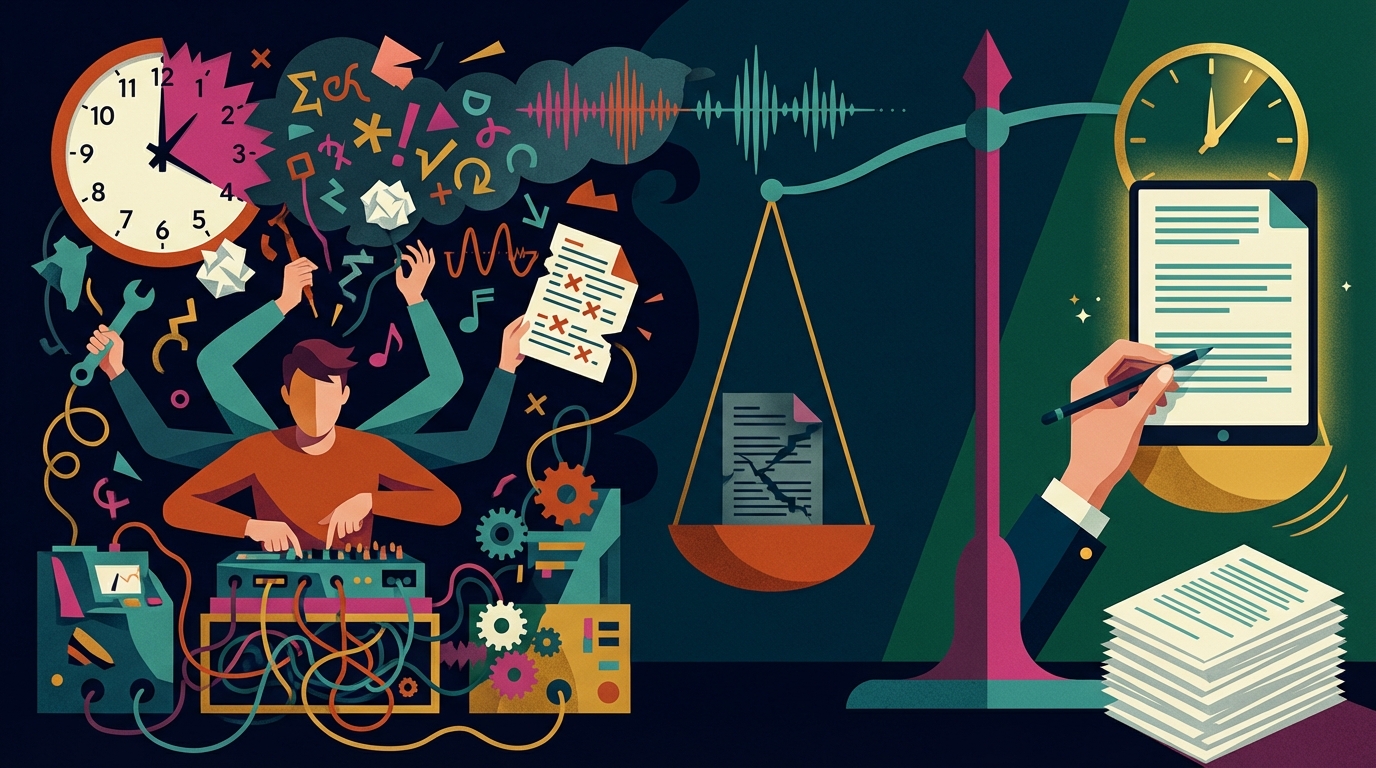
The human service route runs about one and a half to two dollars per audio minute, which puts an hour-long interview near a hundred dollars. That sounds steep until it's set against the alternative it replaces: four to six hours of your own typing, or the hours you'd spend fixing a bad draft. For anyone whose hourly value exceeds the service rate, the math ends there.
Automatic tools cost cents on that dollar and return a draft in minutes, with the review pass as the true price. Fifteen minutes of cleanup on clear audio is a bargain, while two hours of cleanup on a crosstalk-heavy panel erases the savings and hands back a worse document than the service would have.
The variable that flips the answer is deadline pressure. With slack in the schedule, the automatic route plus a careful review pass is the value pick. When the transcript is needed tomorrow morning, the service's guarantee is what you're paying for, because there's no second chance to re-run a bad draft.
Accuracy and the Cleanup Budget
Automatic transcription holds roughly 90 to 96 percent on clear audio and drops on the hard parts, and the hard parts are where research interviews live: jargon, names, acronyms, and the moment two people talk over the answer that mattered. Those failures don't announce themselves, either, which is why the review pass has to be a real read rather than a skim.
Human services hold 99 percent or better on the same audio, because a person parses crosstalk and unfamiliar terms from context in a way speech models still don't. The guarantee matters less for the headline number and more for what it removes: the verification pass where you re-listen to anything the tool guessed at.
The cleanup hour is the hidden line item that decides tight calls, so price it honestly before choosing the cheap route. One interview with heavy cleanup and the automatic advantage shrinks, but five interviews and the service cost starts to look like the cheap option.
Where Privacy Decides the Vote
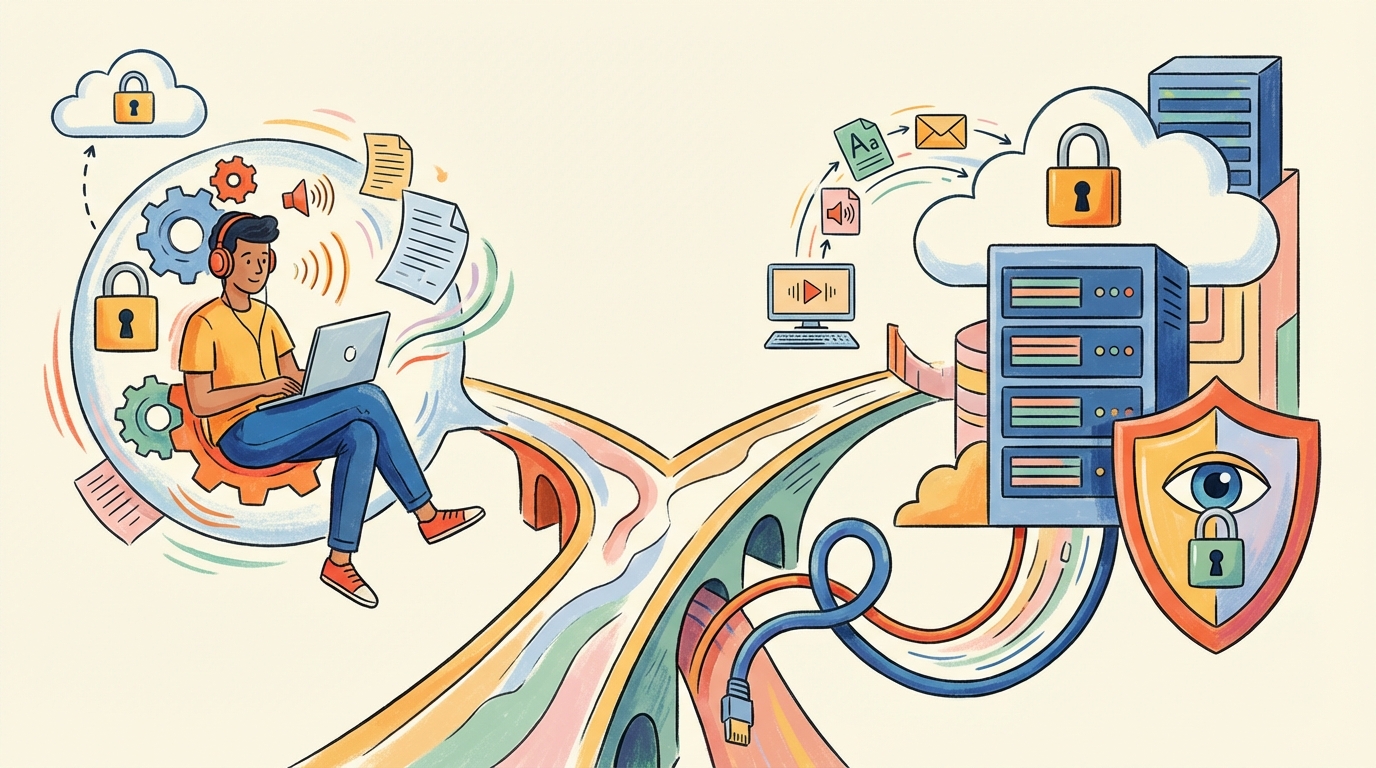
Some interviews can't be uploaded at all. IRB commitments, source protection, and client confidentiality terms all make the audio's path a formal constraint rather than a preference, and once the audio can't leave your machine, every cloud route is out regardless of quality or price.
The local route is what remains: Shmeetings on macOS transcribes live system audio and recorded files entirely on the machine, and modern Whisper accuracy means the cleanup pass is minutes rather than the hours that manual transcription cost. For the full engine picture, the local AI transcription guide covers model choices, and the free transcription breakdown covers where the free tiers fit.
The stakes justify the framing: a leaked source or a broken confidentiality commitment ends a research project or a professional relationship, and no transcription saving recovers that. When privacy is a requirement, the decision makes itself.
Frequently Asked Questions
How much do interview transcription services cost?
Human services commonly charge one and a half to two dollars per audio minute, which puts an hour-long interview near a hundred dollars. Rush turnaround costs more, and some vendors add surcharges for difficult audio while others guarantee their rate regardless of quality.
How long does it take to transcribe an hour of audio?
An experienced human transcriptionist needs four to six hours per audio hour, and the average person typing it themselves sits around four hours. Automatic tools return the same hour in minutes, plus 15 to 20 minutes of review before the text is trustworthy.
Is AI transcription accurate enough for research interviews?
On clear audio, 90 to 96 percent accuracy is workable with a careful review pass. It fails on specialized vocabulary and crosstalk, which are common in research interviews, so read the draft against the audio rather than trusting it. Where the data must be exact, human services hold 99 percent or better.
What is the cheapest way to transcribe interviews?
The free automatic tiers are cheapest in money and most expensive in time, because the cleanup grows as audio quality drops. The genuinely cheapest route by total cost is a free local tool like Whisper, which has no cap and processes on your own hardware.
Should I transcribe my own interviews?
Only if the volume is small and your hours are genuinely free. Four to six hours per audio hour is the cost of typing it yourself, and for anything beyond a couple of interviews, an automatic tool with a review pass or a human service will produce a better transcript in less of your time.