
Krisp AI Meeting Transcription: A Closer Look
Krisp built its name on noise cancellation and bolted transcription on top, and the combination is genuinely good, but the privacy picture has layers worth reading before you record anything sensitive. The audio processing happens on your machine, while the meeting recordings land in the cloud, and the transcript path depends on your language and settings. Here's the honest look, layer by layer.
What Krisp Actually Does
Krisp sits between your microphone and any calling app as a virtual audio device, so it sees the sound before your meeting software does, per AIToolFinder's review. Because it works at the system level, it attaches to Zoom, Teams, Meet, Discord or anything else that uses a mic, with no plugins and no special hardware. It also never joins the call as a bot, because the capture happens on your side of the glass.
The first job is cleaning the audio in real time on your own computer: dogs, fans and keyboard clatter get stripped before anyone hears them. That matters for transcription more than people expect, because the transcript is only as good as the audio arriving at it. Clean input means the model spends less time guessing.
On top of the cleaned stream, Krisp layers transcription, recording and AI notes. The transcript builds as people speak, the recording lands in Krisp's encrypted cloud storage, and the notes pick out key points and action items so nobody leaves the call relying on memory. The result is a record you can search instead of an hour of video you have to re-watch.
What the Free Plan Gets You

The free tier is a real tool rather than a demo: unlimited transcription, two AI meeting notes a day, and 60 minutes a day of noise cancellation. For a person with an hour or two of calls, that covers the workday. The daily ceiling shows up when your calendar is wall-to-wall, and after the noise cancellation minutes run out, the background noise comes back even though the transcription keeps going.
A 7-day trial unlocks every paid feature without asking for a credit card, which is the right way to evaluate the full suite before deciding. The catch on free is support: there is none, and it stays limited until the Business tiers. You're on your own when something breaks, which is the price of a tool that costs nothing.
The Privacy Picture, Read Carefully
The layers matter here, because "on-device" and "private" are not the same claim. Noise cancellation runs entirely on your machine, and Krisp's own help center states that audio is not sent to or stored on its servers for that processing. That's the strongest part of the story.
The recordings are a different layer: anything you record with Krisp is stored in the cloud, encrypted, and subject to Krisp's retention rules rather than yours. And the transcript path depends on configuration, because reviewers note that transcript processing can use Krisp servers depending on language and settings. The privacy policy says audio from detected non-English speech is deleted immediately after the transcript is generated, which limits the exposure but doesn't eliminate the trip.
For sensitive calls, read the settings before you hit record, and check the retention rules the way you'd check them for any vendor holding your meeting history. If your standard is that nothing ever leaves the machine, no cloud-stored recorder clears that bar, and the honest alternative is a fully local setup rather than a better policy.
Where Krisp Fits Next to the Alternatives
The bot-based note takers join your call as a visible participant, which works but carries social friction: guests wonder about the stranger in the participant list, and some tenants block bots outright. Krisp avoids both by capturing the audio stream on your side, so the meeting looks and feels normal for everyone else.
Against fully local tools, the tradeoff is storage and processing versus convenience. A macOS assistant like Shmeetings captures system audio and transcribes it on the machine, so nothing is ever cloud-stored, which is the better fit when data-handling rules are strict. Krisp wins on the noise cancellation layer, which nothing local quite matches, and on cloud-synced notes across a team. If you're weighing the local route seriously, the offline meeting note taker workflow covers the pattern, and the Teams transcription guide covers the platform built-ins it replaces.
Most teams land on a mix rather than a single answer. Krisp for the noisy open office where audio cleanup matters, the platform's built-in transcription where the plan already includes it, and a local assistant where the content is sensitive enough that storage location decides the vote. Whatever captures the meeting, pair it with a system for meeting minutes with clear action items, because a transcript nobody acts on is just an archive with better formatting.
Setting It Up Takes Minutes
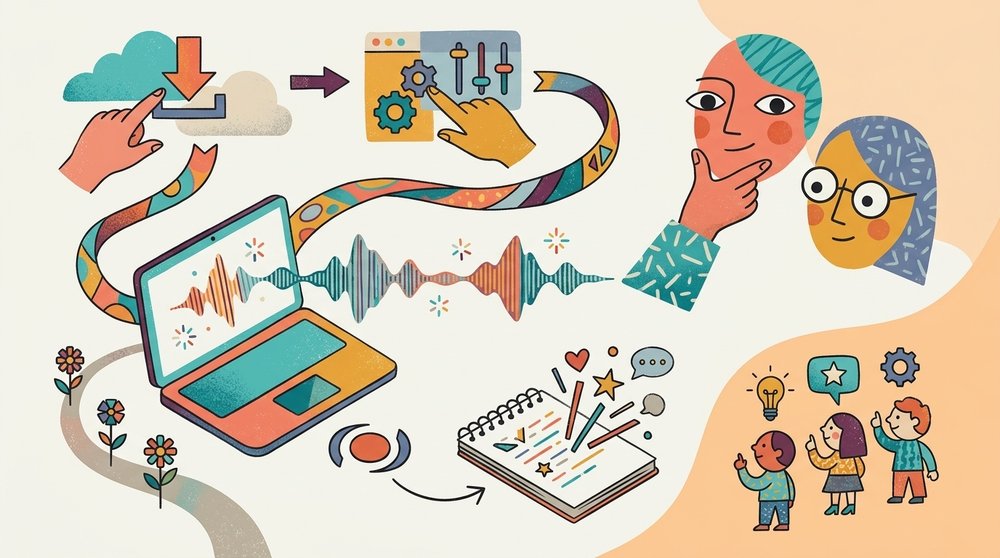
Install the app, grant microphone access, and pick Krisp as your mic and speaker pair inside the calling app. The virtual device does the rest, and there's no per-app integration to maintain, because every app that uses a microphone works the same way.
Start transcription from the system tray and it runs in the background while you talk. Because the capture sits at the system level rather than inside any one meeting platform, an interface update on the meeting side doesn't break your setup, and the configuration holds for months rather than weeks. The one habit worth keeping is checking that the right mic is selected before an important call, because a virtual audio device is one dropdown away from silence if another app changes it.
Frequently Asked Questions
Is Krisp free?
There's a permanent free tier with unlimited transcription, two AI meeting notes a day and 60 minutes a day of noise cancellation, plus a 7-day trial of the full paid feature set without a credit card. Free has no support, so expect to solve problems yourself on that tier.
Does Krisp store recordings?
Yes. Meeting recordings are stored in Krisp's cloud, encrypted. The privacy policy adds that audio from detected non-English speech is deleted immediately after its transcript is generated. If cloud storage of meeting audio doesn't fit your rules, that's the line to check first.
Does Krisp work with Zoom?
Yes, and with Teams, Google Meet, Discord and anything else that uses a microphone, because it works as a virtual audio device at the system level rather than through per-app integrations. No bot joins the call, so there's nothing for meeting policies about participants to block.
Does Krisp transcribe in real time?
Transcription builds as the meeting runs, though the processing path can involve Krisp's servers depending on language and settings, so exact timing varies with configuration. The transcript is available on the page right after the call either way.
Is Krisp's audio processing on-device?
The noise cancellation is: Krisp's help center states that audio is not sent to or stored on its servers during that processing. The recordings and some transcript workflows are the parts that touch the cloud, so the accurate summary is on-device cleanup with cloud storage on top.